
Do You Need a Rabies Vaccine Before Traveling Abroad?
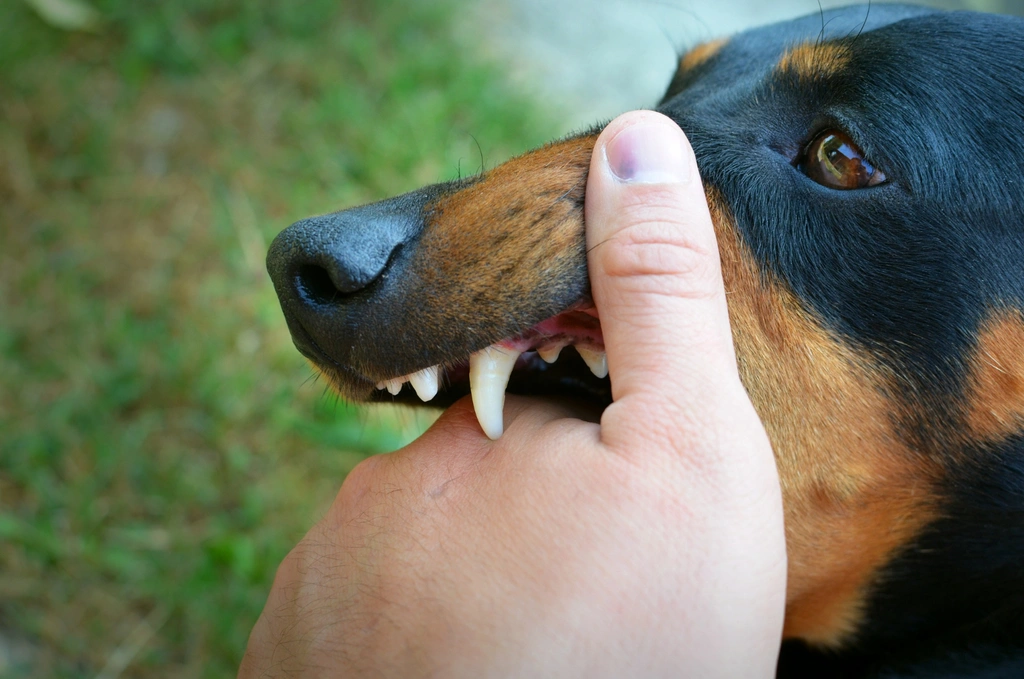
Rabies isn’t a common travel illness, but it is one of the most serious. The virus is almost always fatal once symptoms appear — yet it’s entirely preventable with the right steps.
If you’re planning a trip abroad, especially to regions where rabies is more common or where medical care may be limited, it’s worth understanding whether pre‑exposure rabies vaccination (PrEP) is recommended and what to do if you’re bitten or scratched by an animal.
This guide breaks down the essentials so you can travel with confidence, using trusted sources such as the NHS and NaTHNaC to help you make informed decisions.
What is rabies and why does it matter for travellers?
Rabies is a viral infection transmitted through the bite or scratch of an infected mammal — most commonly dogs, but also bats, monkeys, cats, and other wildlife. While rare in many high‑income countries, rabies remains widespread in parts of Asia, Africa, Eastern Europe, and South America.
For travellers, the key challenge is that access to urgent medical care varies widely. In some destinations, rabies vaccines or immunoglobulin may be difficult to obtain, making prevention and preparation especially important.
Who should consider a rabies vaccine before travel?
Not every traveller needs a rabies vaccine — but certain situations increase risk. You should consider pre‑exposure vaccination if you:
- Plan to spend time in rural or remote areas
- Are travelling for longer periods (e.g., backpacking, gap years, volunteering)
- Expect close contact with animals (children, adventure travellers, cyclists, runners)
- Work with animals (vets, wildlife volunteers, researchers)
- Are visiting a country where rabies is common and medical care is limited. For up‑to‑date country‑specific risk information, check NaTHNaC’s destination pages .
- Will be staying somewhere far from hospitals or clinics
- If you’re unsure, the NHS recommends a personalised risk assessment based on your itinerary and planned activities.
How the rabies vaccines and schedules work
Pre‑exposure prophylaxis (PrEP) is a short series of rabies vaccine doses given before travel. It doesn’t eliminate the need for treatment after a bite, but it simplifies and improves post‑exposure care.
After exposure
Travellers who have completed the PrEP course will typically
- Only need two doses after exposure
- Usually do not require rabies immunoglobulin, which can be difficult to access in many countries
- Have more flexibility if medical care is delayed
Travellers who have not completed the PrEP course will typically require:
- A full course of rabies vaccine, typically four doses
- Will require rabies immunoglobulin
In both instances however if you are exposed to the rabies virus wash the wound thoroughly and seek urgent medical care
Practical pre‑travel checklist
- Check destination risk: Use NaTHNaC to review rabies prevalence and healthcare access for your destination.
- Book a travel clinic appointment: Ideally 4–6 weeks before travel to allow time for the vaccine series.
- Know where to get help abroad: Identify hospitals or clinics near your accommodation.
- Avoid animal contact: Don’t pet, feed, or approach unfamiliar animals — especially dogs, monkeys, and bats.
- Supervise children closely: Kids are more likely to approach animals and may not report bites.
- Carry your vaccine record: This helps clinicians abroad provide the correct treatment.
What to do if you’re bitten or scratched abroad
- Wash the wound immediately
- Use soap and running water for at least 15 minutes. This simple step
significantly reduces risk. - Apply antiseptic - if available, use iodine or alcohol-based solutions.
- Seek medical care as soon as possible
- Rabies treatment is time‑sensitive. If local care is limited, contact your travel insurer or embassy for help accessing appropriate treatment.
- Document the incident
- Note the animal type, behaviour, and location — this helps clinicians assess risk.
FAQ: Common questions travellers ask
Q: Do I need a rabies vaccine for travel?
A: It depends on where you’re going, what you’ll be doing, and how easily you can access medical care. Travellers to rabies‑endemic regions or remote areas should consider PrEP. Check NaTHNaC
for destination‑specific guidance.
Q: How many doses are needed?
A: Pre‑exposure vaccination is a short series - usually two or three doses depending on your health. Post‑exposure schedules differ depending on whether you’ve had PrEP. The NHS provides clear guidance on vaccine timing.
Q: How early should I get vaccinated before travel?
A: Aim for several weeks before departure. If you’re travelling soon, a travel clinic can advise on accelerated options.
Q: What if I’m bitten and there’s no vaccine available locally?
A: Immediate wound washing and urgent medical evaluation are essential. If vaccines or immunoglobulin aren’t available, you may need to travel to the nearest facility that can provide them.